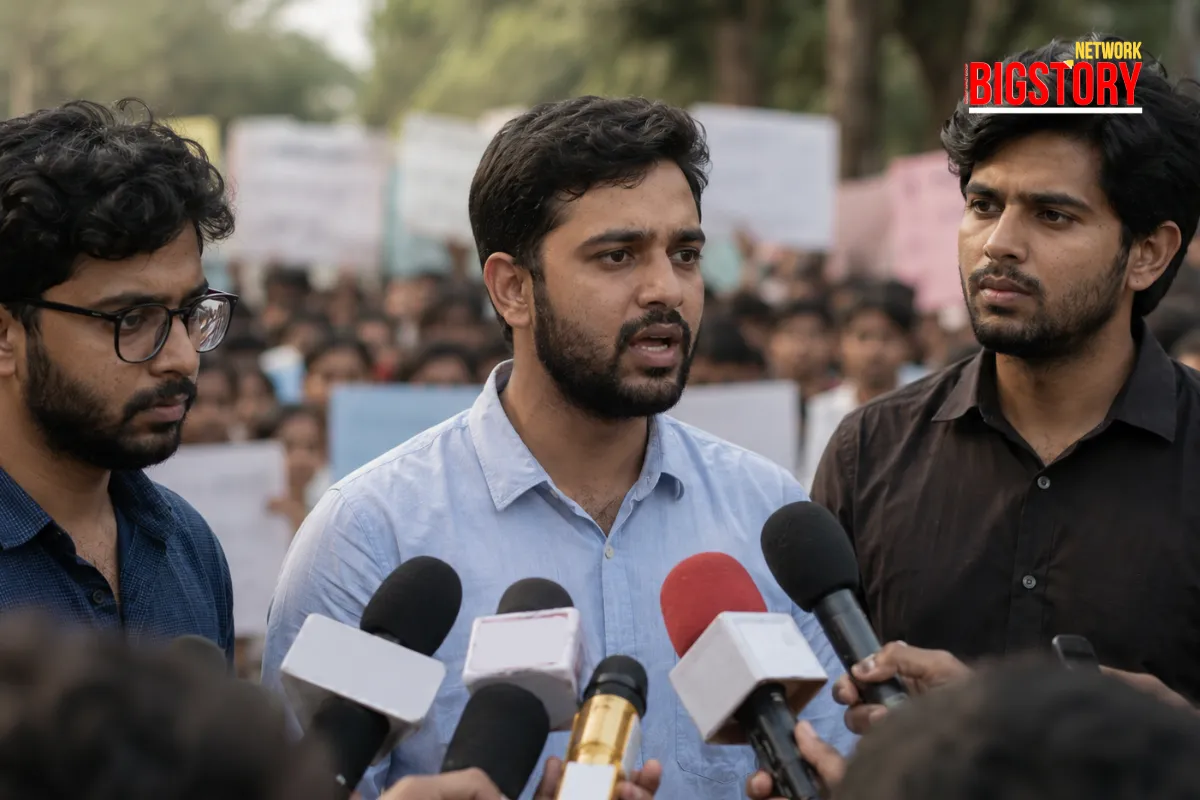
Evolving from a decentralized digital joke into an organized political pressure group, the Gen Z-led movement is gearing up for a massive offline confrontation over India's collapsing examination infrastructure.
 Brajesh Mishra
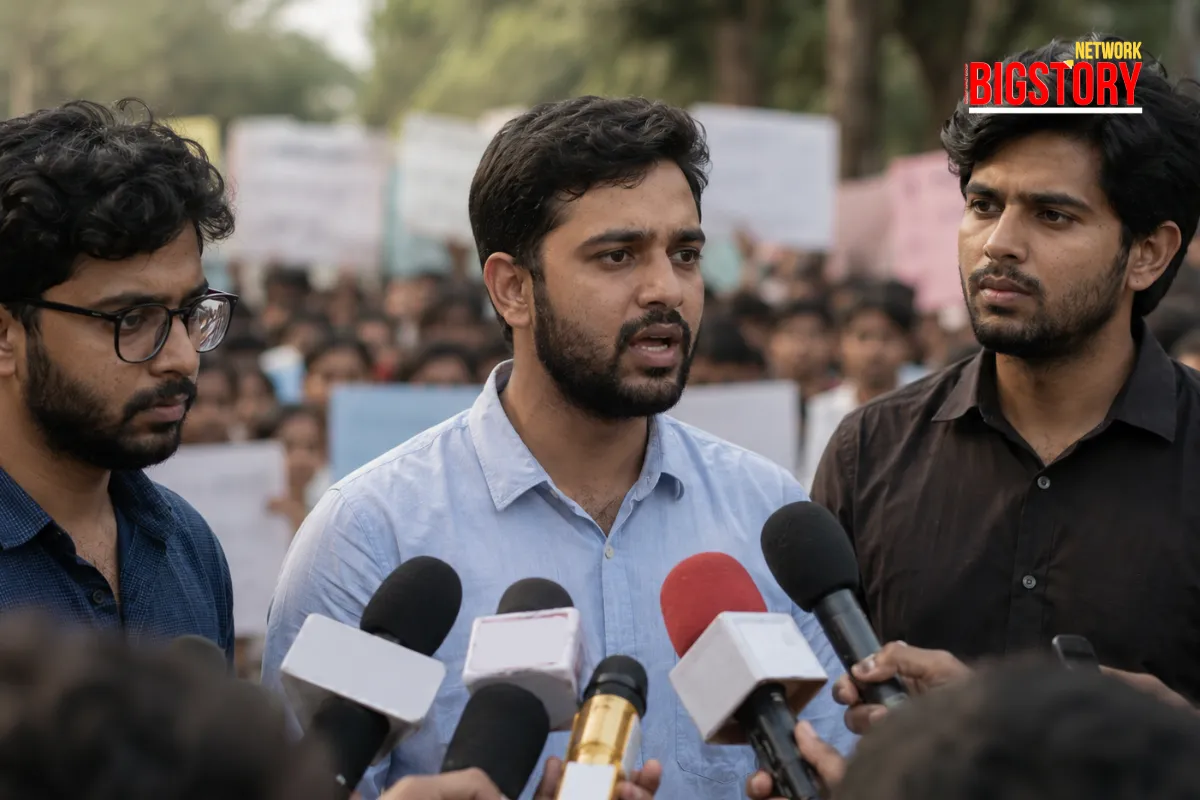
• What happened: The youth-led Cockroach Janta Party (CJP) has officially appointed its first three public spokespersons—Saurav Das, Vijeta Dahiya, and Ashutosh Ranka—formalizing its massive viral footprint.
• Why it matters: The appointments mark the CJP's critical transition from an online meme collective into a structured, front-facing advocacy campaign demanding accountability for the NEET, CUET, and CBSE scandals.
• The strategic play: The immediate mandate for the new leadership trio is to coordinate a massive physical protest in New Delhi on Saturday, June 6, demanding the immediate resignation of Union Education Minister Dharmendra Pradhan.
• India's stake: The movement is rapidly gaining mainstream institutional weight, with prominent climate activist and educator Sonam Wangchuk announcing he will actively join the June 6 march.
• The deciding question: As founder Abhijeet Dipke returns from the US to lead the march despite the threat of immediate arrest, will the state permit the peaceful protest or crack down on the youth revolt?
The transition from digital satire to real-world political force is officially complete. In a move designed to formalize its massive viral online footprint into a structured advocacy group, the Cockroach Janta Party (CJP) appointed its first three public spokespersons on Wednesday.
While "CJP" traditionally stands for the Chief Justice of Pakistan in legal circles, in the context of India's current national headlines, it refers exclusively to the explosive, youth-led movement that has rapidly transformed into a major political pressure group. Fueled by the ongoing NEET, CUET, and CBSE examination scandals, the appointment of these high-profile professionals marks the group’s definitive shift from an internet meme collective into an organized political front.
The trio selected by the movement brings a potent mix of media accountability, deep-tech strategy, and public mobilization expertise to anchor their narrative:
• Saurav Das (Chief Spokesperson): A prominent investigative journalist who reports extensively on legal, judicial, and social issues. Das is a familiar face in Delhi's activism space, having previously led the high-profile anti-pollution demonstrations at India Gate in November 2025.
• Vijeta Dahiya (Spokesperson): A political researcher, author, and filmmaker. An alumnus of Delhi Technological University, Dahiya brings a strong background in digital content strategy, having previously anchored deep-dive research for top-tier political YouTube creators.
• Ashutosh Ranka (Spokesperson): A management consultant and data strategist. Graduating from IIT Kanpur and the London School of Economics, Ranka previously worked for McKinsey & Company in London before returning to India to spearhead public youth-welfare movements.
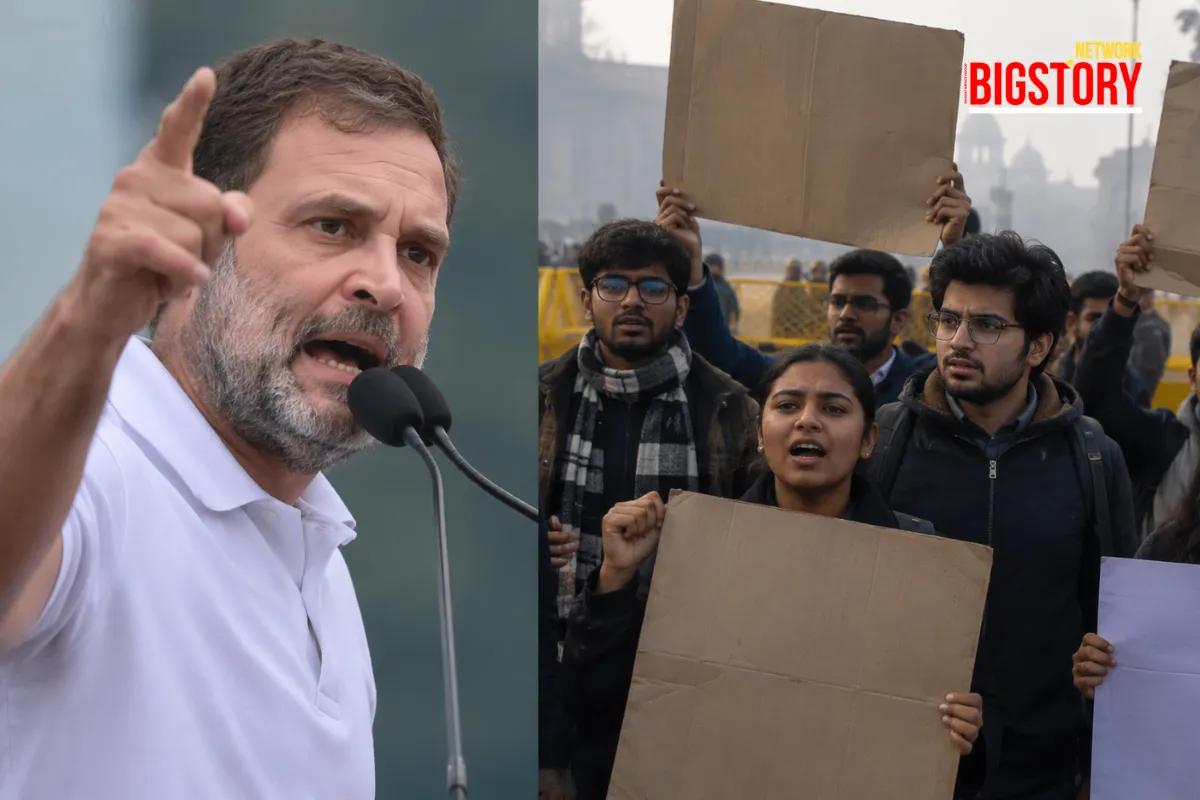
The formalization of a political wing comes at a critical juncture. The immediate mandate for the new spokespersons is to coordinate a massive physical protest in New Delhi this Saturday, June 6. The core demand of the march is singular and uncompromising: the immediate resignation of Union Education Minister Dharmendra Pradhan over systemic accountability failures across national exam boards.
This protest is strategically timed with the return of CJP founder Abhijeet Dipke from the United States. Recognizing the intense political friction surrounding his arrival, Dipke has publicly stated that despite facing potential legal action or arrest the moment he lands, he will march straight from the airport to the Parliament Street police station to demand peaceful protest clearances.
Adding significant mainstream weight to the youth movement, climate activist and educator Sonam Wangchuk announced that he will actively join the CJP members in Delhi on June 6 if the government fails to initiate structural educational reforms by Friday.
Mainstream coverage is tracking the protest timeline, but the "Missed Angle" here is the immediate controversy surrounding the appointments, which exposes the severe, hidden costs of political visibility in India today.
Immediately following the announcement, the CJP faced intense social media backlash for appointing an all-male panel, with critics highlighting a glaring lack of diversity for a movement that claims to represent the entire youth demographic.
However, founder Abhijeet Dipke's rapid clarification revealed a darker reality: the leadership roles were initially offered to several female team members, all of whom requested to work strictly behind the scenes due to severe online trolling, coordinated harassment, and physical safety threats.
The inclusivity debate within the CJP inadvertently highlights the toxic ecosystem of modern Indian digital politics, where taking a front-facing stance against the establishment carries a disproportionate and terrifying risk for women. While Dipke has issued an open invitation for young women leaders to step forward, the incident proves that building a modern political movement requires navigating an incredibly hostile and dangerous public square.
• The Hindu: National Politics and Youth Movement Updates
• The Indian Express: Delhi City News, Protests, and Education Policy Tracker
• Newslaundry: Media Critique, Digital Culture, and CJP Movement Analysis
• LiveLaw: Public Protest Clearances and Legal Rights Tracker
 Exclusive Content






Sign up for the Daily newsletter to get your biggest stories, handpicked for you each day.


 Trending Now! in last 24hrs